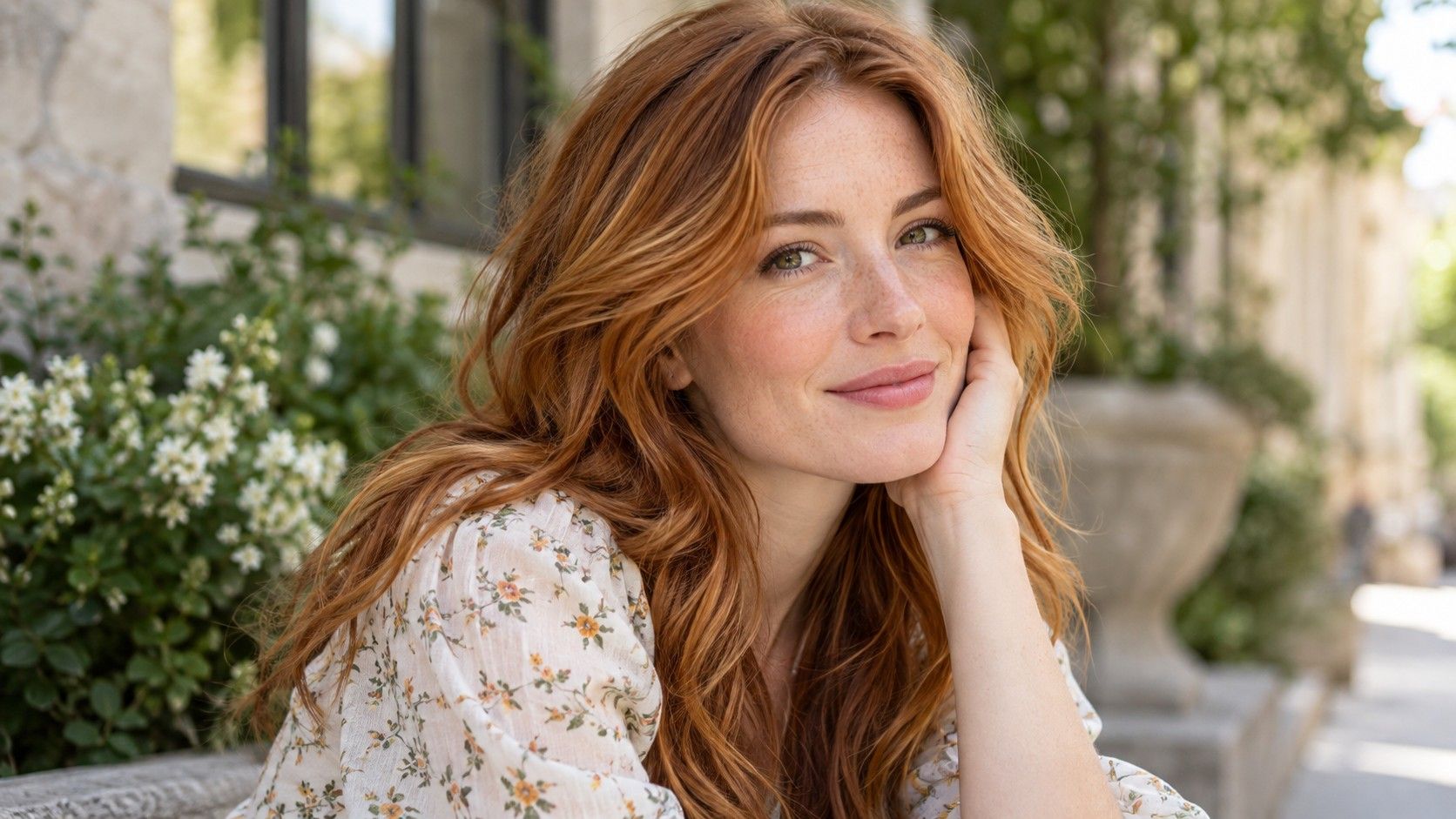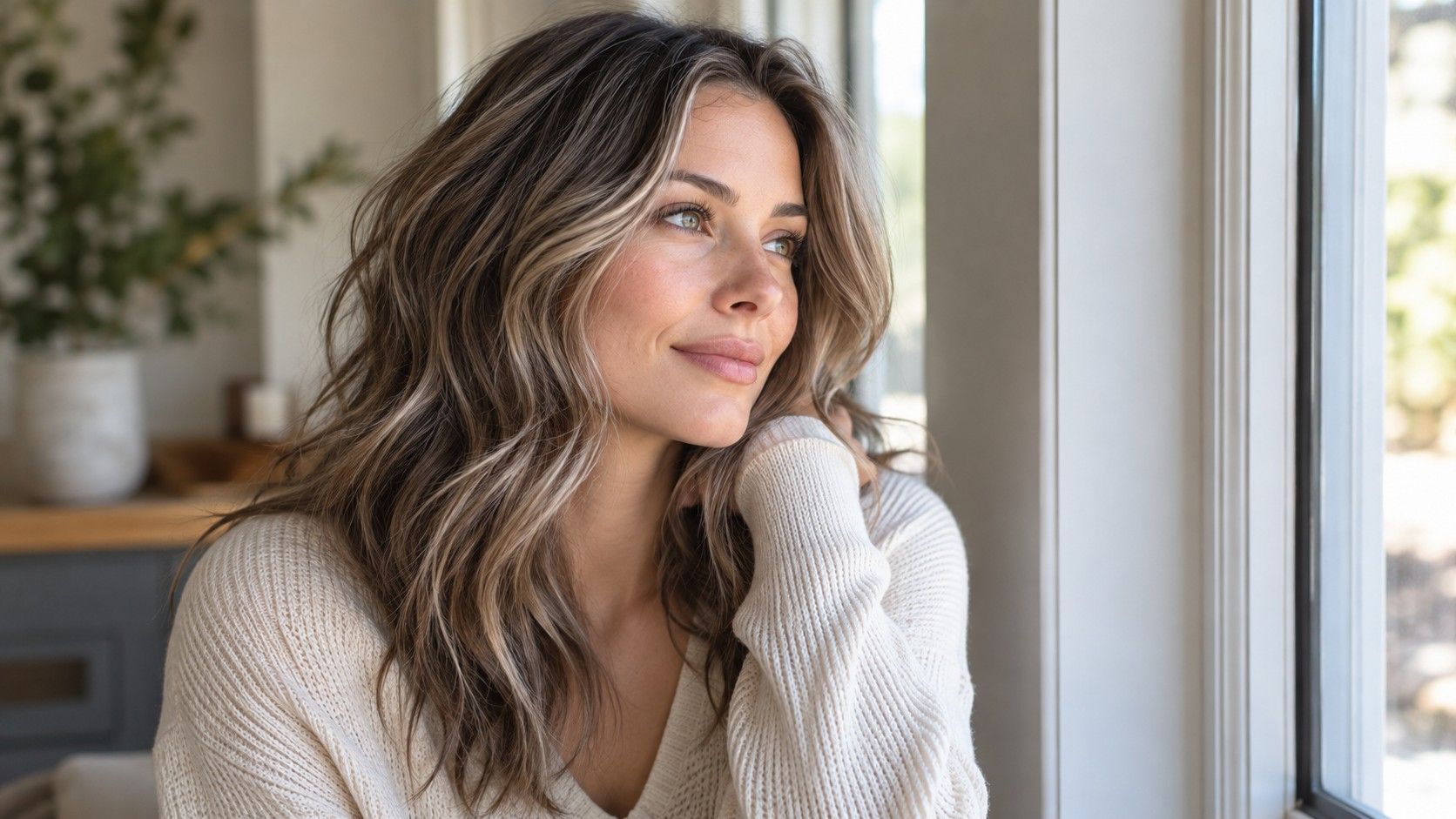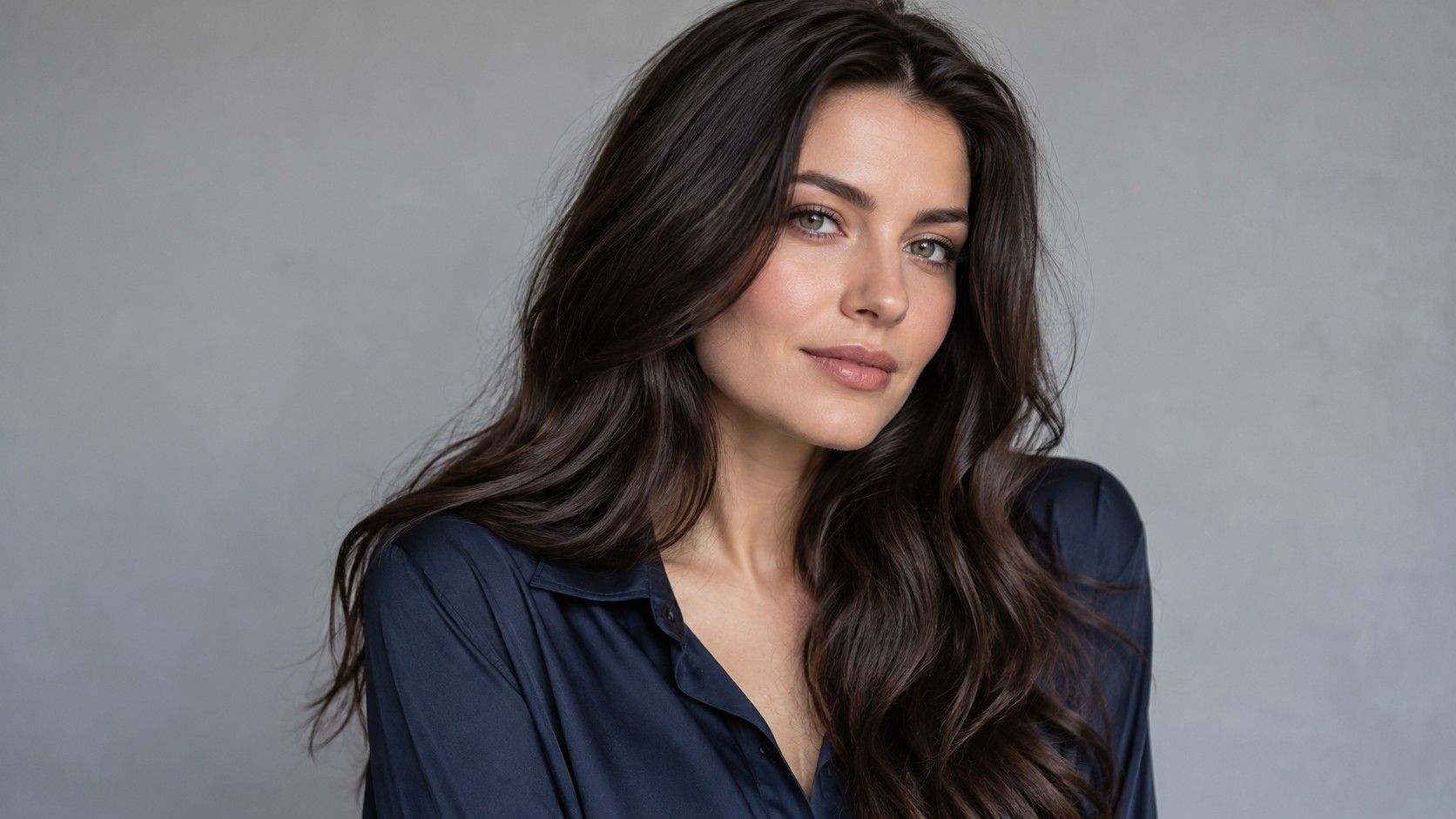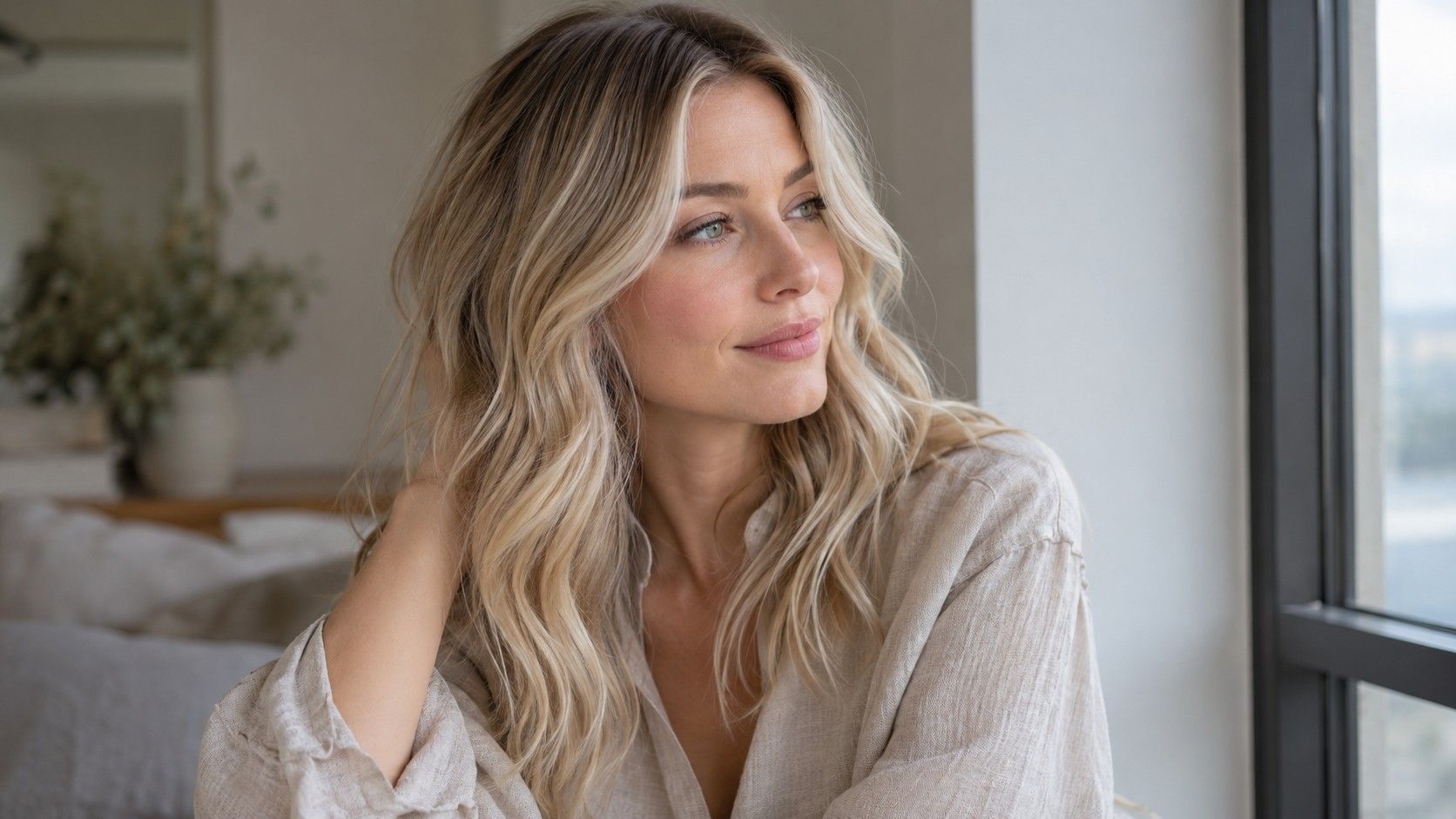
Soft Summer blonde is usually a question of balance: enough lightness to feel blonde, enough depth to keep your features defined, and a tone that does not look loudly golden or flat gray. Use the seasonal label to narrow your comparisons, then let photographs and your actual starting hair guide the choice.
Decide how blonde you want the finished hair to feel
Soft Summer is styling vocabulary for a relatively muted, cooler palette. It is not a diagnosis or a formula for mixing hair color. People who use the label can start with different natural depths and have different preferences. The useful question is whether a restrained blonde suits the effect you want, rather than whether a chart gives permission.
If you are asking “can soft summers have blonde hair?”, yes: blonde can be one of the options to explore. That answer does not mean the palest possible blonde is the best target. Dark blonde, beige blonde and light brown with blonde pieces can each read as blonde in some lighting while preserving quite different levels of contrast.
Compare a whole-head blonde preview with a version that keeps more of your current depth. Use the same original photo for both. A preview that also brightens the face can make the lightest option unfairly appealing. Look for the shape of your features and the visibility of your brows, not just a prettier exposure.
Decide what you mean by blonde before an appointment. Do you want a visibly lighter frame around the face, brighter ends in moving hair, or an overall light impression even when your hair is tied back? Those are different placement goals. A single swatch will not communicate the distinction as well as two labeled reference photographs.
Put beige and ash beside each other in neutral light
Beige and ash are broad shade descriptions, and their meaning varies across photographs and color ranges. Beige often suggests a balance of warm and cool impressions; ash usually suggests a cooler, less golden appearance. Neither word is precise enough to guarantee what the finished hair will look like on your starting base.
For a useful comparison, choose examples with similar depth. A very pale ash blonde and a dark beige blonde differ in lightness as well as tone. If one looks softer, you need another pair to understand why. Test a slightly warmer and a slightly cooler variation without moving the brightness slider.
Soft summer blonde hair colors can become too gray in a filter, particularly when the original image is already cool. Check whether the face appears clearer or simply paler. A heavily desaturated overlay can flatten the hair and remove believable reflections, creating a result that would be difficult to read as real hair in ordinary light.
A little warmth is not necessarily a failure. Compare a muted beige with an obvious yellow-gold shade before deciding that all golden reflections are wrong. The distinction between gentle warmth and strong saturation is useful here. Your preferred blonde may sit between the icy and honey examples that dominate inspiration searches.
Keep some connection between roots, brows and lengths
The hair at your forehead creates a frame even when most of the lengths are behind your shoulders. If an all-over pale blonde seems to detach from darker brows, test a deeper root or less brightness at the hairline. The change may feel more convincing without needing to abandon the blonde lengths you like.
Root depth is separate from root maintenance. A planned darker root can be part of the design, but it does not automatically make every service easy to maintain. Your natural shade, gray hair, highlight placement and how the blonde changes between visits all affect the practical schedule. Ask about each rather than relying on the phrase low maintenance.
Use a second photograph with your hair tied back. A preview based only on loose waves may conceal how the brightest pieces sit at the temples. If you often wear a ponytail, the exposed root and face frame deserve their own check. This is a small detail that can change which reference is useful.
When describing blonde hair for Soft Summer, explain the connection you want: a soft dark-blonde root, cooler beige lengths, or a narrow light frame with depth behind it. You do not need professional terminology to point to those areas. A clear visual instruction is more useful than a seasonal label standing alone.
| What feels wrong | Compare next | Keep constant |
|---|---|---|
| The blonde looks detached | The same blonde with a deeper root | Length color, exposure and your eyebrow appearance |
| The shade seems dull or gray | A muted beige version at the same depth | Hairline placement and the amount of lightness |
| The face frame is too bright | Narrower pieces or a slightly deeper face frame | The tone through the rest of the hair |
| The preview looks like a flat block | A version retaining natural shadows and darker pieces | Overall hair shape, camera light and background |
Use dimension when all-over lightness looks flat
A single pale overlay can erase the shadows that make hair look textured. That may be a limitation of the preview rather than proof that blonde is wrong for you. Compare a version with retained depth through the roots and underneath before deciding. Real hair catches light unevenly, particularly around bends and layers.
Some soft summer hair color blonde references work because the overall contrast stays gentle even though individual strands are quite light. Others look soft because the photography is hazy. Zoom in on the roots, hairline and darkest lengths to see which kind of softness you are responding to. A blurred photograph is a weak reference for placement.
If highlights are your preference, discuss where brightness should be visible. Fine pieces around the face, brighter ends and broad high-contrast ribbons produce different effects. Save a reference showing the hair straight as well as waved if possible, because waves can make the separation between light and dark less obvious.
Ask whether the proposed dimension would still show in your usual hairstyle. Someone with a blunt bob and someone with long layered hair can bring the same color photograph yet need different placement to achieve a similar impression. A preview can establish the desired amount of contrast; the cut and texture help determine how to build it.
Bring tone references and a realistic starting point
Searches for soft summer celebrities with blonde hair can provide ideas, but celebrity seasonal labels are often disputed and their photographs are heavily styled. Use a picture for one observable feature, such as a beige tone or a deeper root. Do not treat an online classification as proof that the same shade will work on your hair.
Choose an original photo, a preferred preview and one real-hair reference. Mark what you like in each. If you want the tone of one photograph but the root depth of another, say so. Otherwise, a colorist has to guess which part of the picture matters to you and which parts are incidental styling.
Give an accurate dye history, including home color and areas that have already been lightened. A muted blonde on a naturally light base is a different project from the same appearance on dark dyed lengths. The preview cannot assess that difference, so ask what is achievable now and what would need a longer plan.
Before agreeing to the change, discuss how the tone is likely to look as it changes and what follow-up is expected. Request a plan you can live with rather than a promise that a shade will stay identical to the photograph. Your strongest Soft Summer blonde choice is one that looks balanced beside your face and makes sense for the hair you actually have.