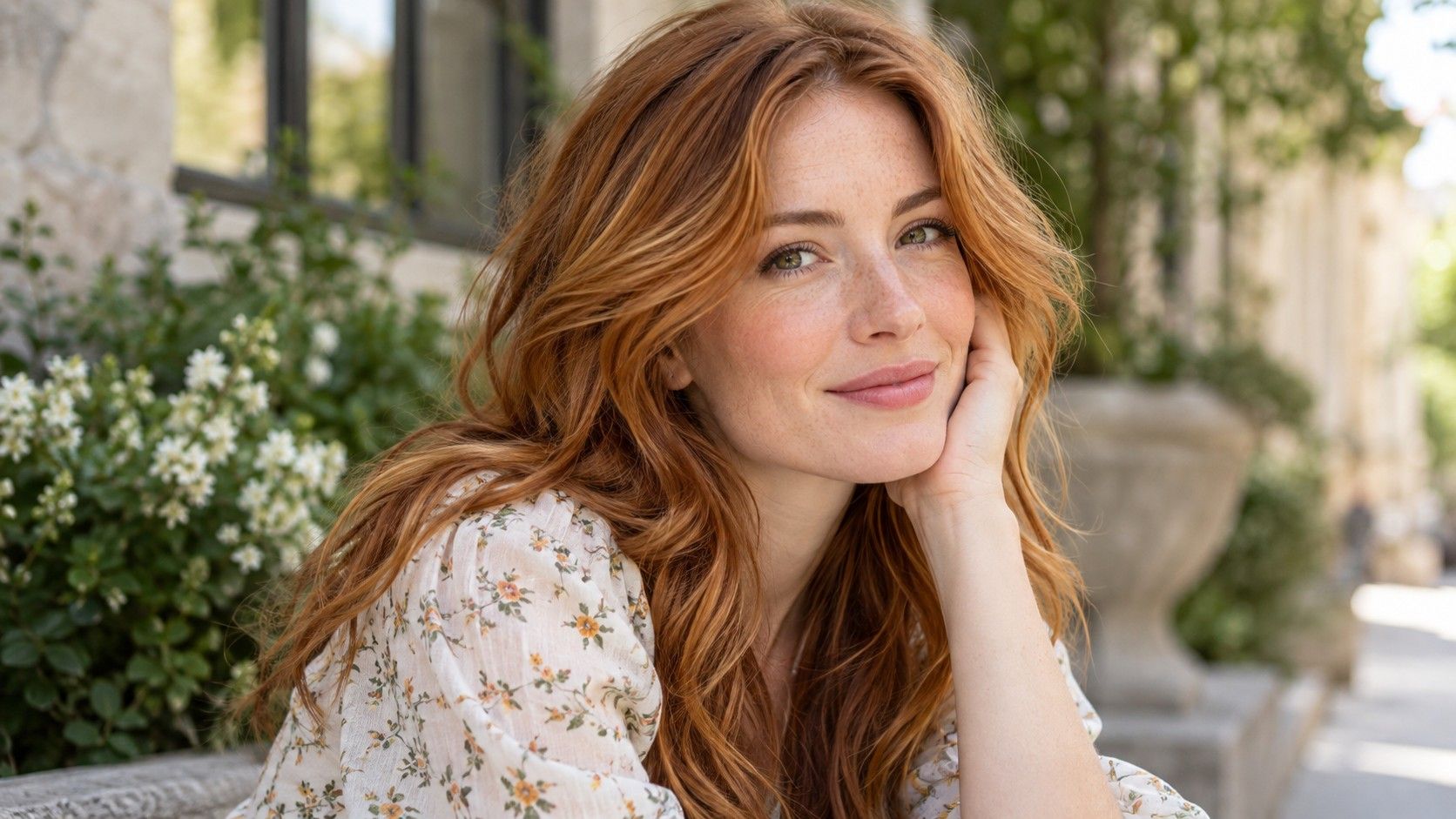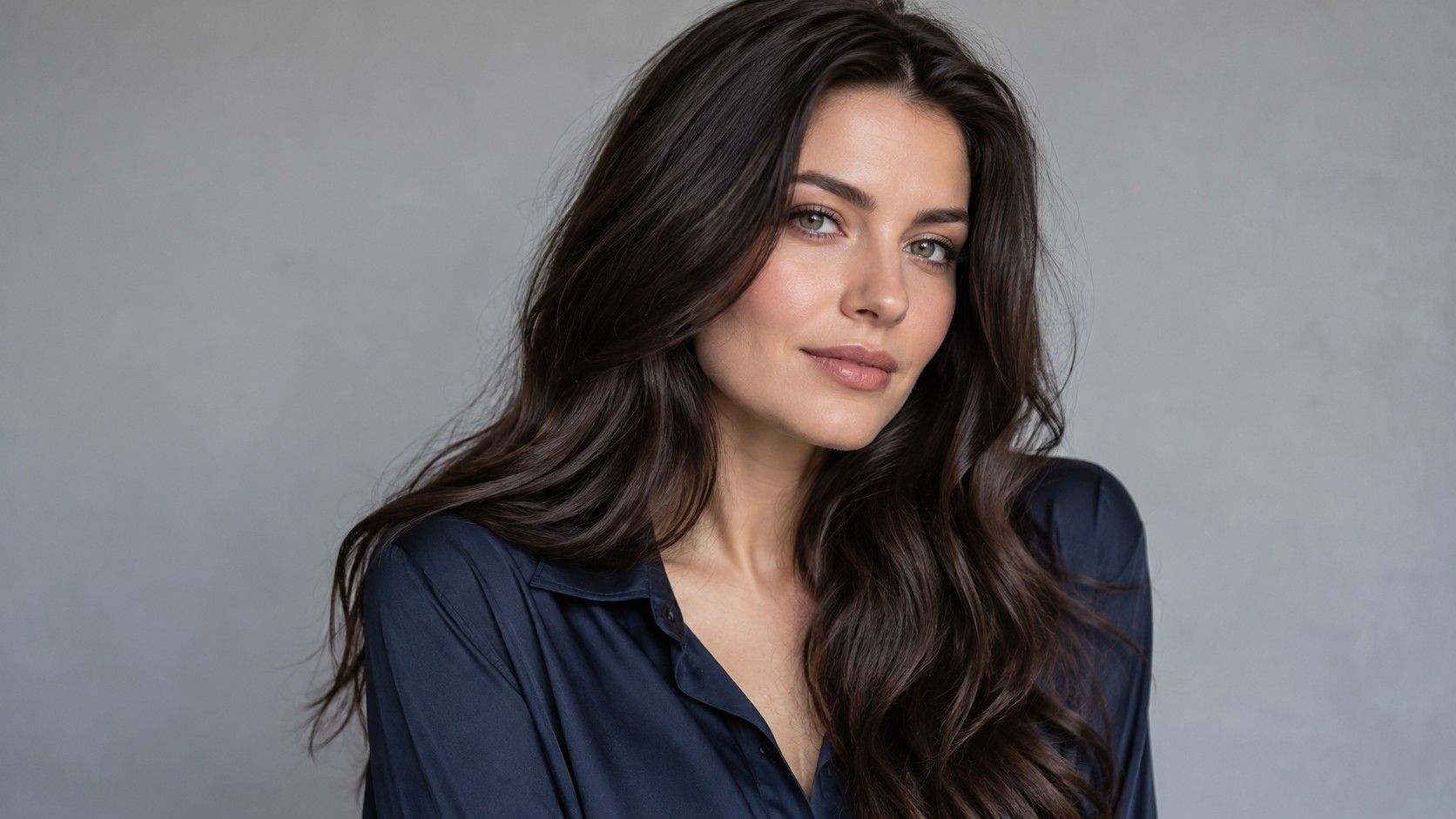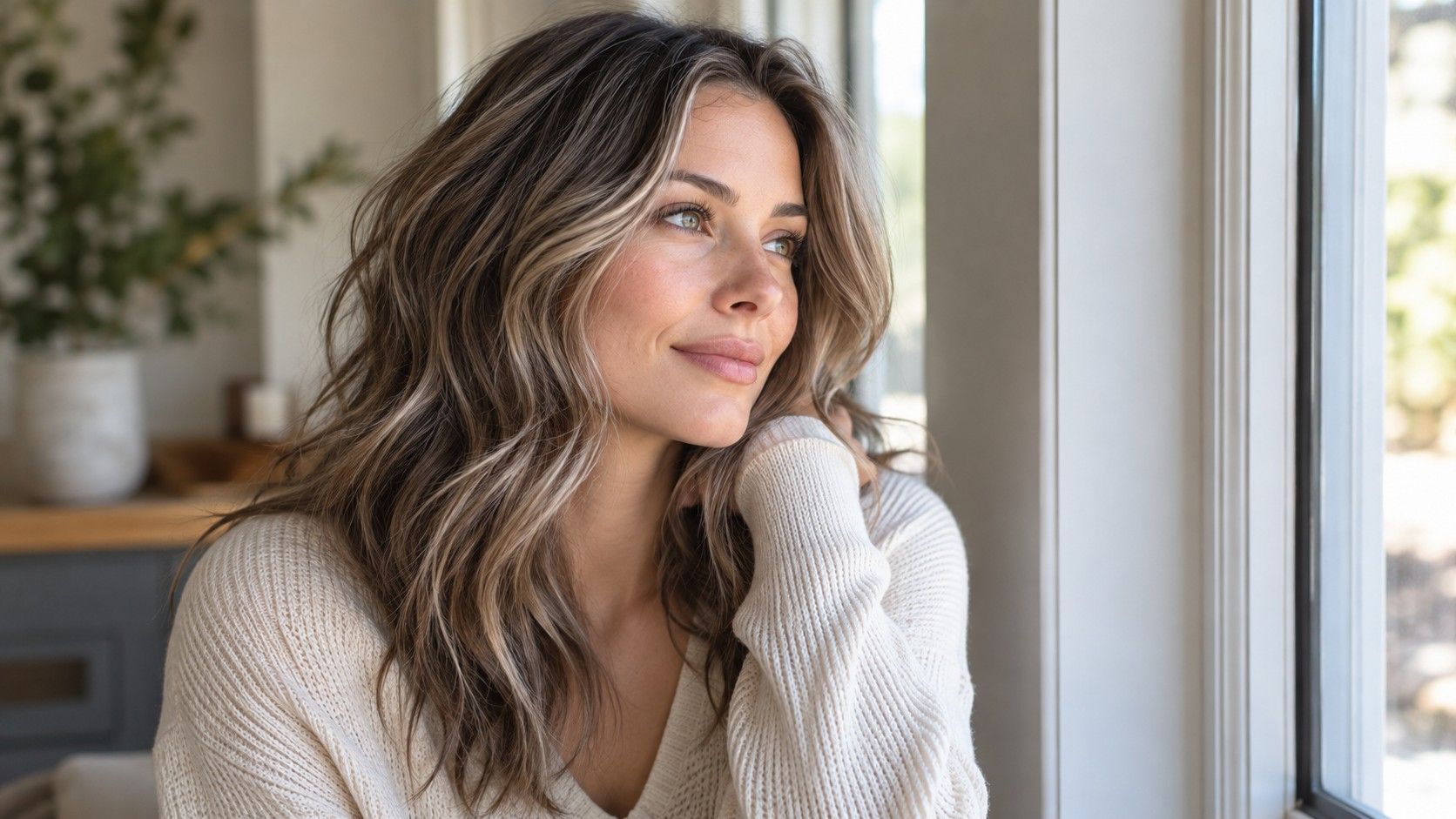
Cool Summer hair colors are usually discussed as a choice between ash blonde and ash brown, but the useful question is how much coolness your face actually needs. A shade can have the right temperature and still look too dark, too pale or oddly gray. Treat the palette as a starting point for comparisons, then look at the hair beside your bare face in ordinary daylight. The aim is a believable relationship between your skin, brows and hair, with enough depth left to see the shape of your haircut.
When an ash shade makes your face look tired
A gray result does not automatically mean that cool hair is wrong for you. Ash describes a tonal direction, while depth describes how light or dark the hair appears. A very pale, smoky preview changes both at once. If your natural hair is medium brown, moving straight to a silver blonde removes much of the contrast that was framing your eyes. Compare a cool brown at your present depth before rejecting the whole idea.
The opposite can happen with dark ash brown. A nearly black outline may look severe against features that read as gentle or muted, even though no obvious gold is present. Reduce the depth in the preview while keeping the cool direction. You are trying to identify which variable caused the problem, rather than collecting more shades with the word ash in the name.
Seasonal labels vary between systems, and a phone photograph cannot establish a definitive type. Cool Summer is commonly used for a cool, relatively restrained palette. That does not create a requirement to remove every warm reflection from your hair. A little reflected light can keep brown hair readable; a flat gray overlay can conceal its texture.
Choose brunette depth before choosing a tone name
Begin with three neighboring options: your existing depth, a slightly lighter brown and a slightly deeper brown. Keep the photograph, parting and facial expression unchanged. A cool medium brown may provide a quieter frame than an espresso shade. Look at your eyebrows and lashes in each version. If the hair seems to require stronger makeup before the face looks balanced, the depth may be doing too much.
Names such as mushroom brown, ash brown and cool chestnut are loose visual descriptions. They are not consistent formulas across salons or brands. A mushroom reference can range from beige brown to almost gray, and chestnut often carries visible warmth. Bring the actual image you like, then describe the property you want: a medium brown that does not read copper beside the cheeks, for example.
Keep some variation through the lengths if a single solid tone seems heavy. Fine differences in depth can give movement without a bright golden stripe around the face. Ask a colorist how that reference could translate to your current base and previous color. The photograph describes a destination; the history of your hair affects the route.
Compare blonde without jumping straight to silver
A cool blonde can be beige, pearly or softly ashy. It does not have to look white. For a useful trial, compare a neutral beige blonde with a cooler pearl version at a similar lightness. Put both beside the same root color. If the pearl version seems disconnected from your brows while beige keeps your face visible, you have learned something more specific than simply liking blonde.
Watch the area around the forehead. A bright band there can dominate a preview even when the lengths look beautiful. A softer transition at the root can reduce that effect, particularly when your natural base is several steps darker. The appearance of a blended root is worth discussing separately from whether the overall blonde should be cool.
| Option to compare | What it helps you judge | What can mislead |
|---|---|---|
| Cool medium brown | Whether your current depth needs a tonal change | A preview that paints every strand one flat color |
| Beige blonde with a natural root | How much lightness your features can carry | A pale face caused by automatic camera exposure |
| Pearl or ash blonde | Whether extra coolness looks coherent | A silver filter that also smooths the skin |
| Subtle cool highlights | Whether a smaller change gives enough interest | Highlights shown only under strong studio lighting |
Blonde also changes the practical question. A photo cannot tell you whether your existing lengths can reach that lightness comfortably or how many appointments a change may involve. Keep the preview as a conversation aid, and leave technical decisions to an assessment of the hair itself.
When old color keeps showing warmth
Previously colored hair may show a different tone at the roots, middle and ends. In a mirror that can look like one vaguely warm color; in daylight the bands may be easier to separate. Note where the unwanted orange, yellow or red actually appears. A root that looks suitable does not mean the older lengths need the same treatment.
Cooling a photograph is easy because a filter can shift every pixel together. Real color work has to account for the starting pigment and the condition of different sections. Avoid using a preview as evidence that a particular ash shade will cover everything evenly. A strand assessment or test can give a colorist information that a screen cannot supply.
Also separate unwanted warmth from ordinary shine. Brown hair catching a warm lamp may look copper in one image and neutral beside a window. Take the reference in indirect daylight, then check the same section indoors. If the warm cast appears only under one bulb, changing the whole color to solve that photograph may overshoot the result you wanted.
Make the final comparison beside bare skin
Use a plain background and a top in a quiet neutral color. Turn off beauty effects and avoid direct sun, which can produce bright highlights and deep shadows on the same face. Keep a small part of the natural root visible in one reference. It gives both you and a colorist an anchor when the edited options start to blur together.
Compare the same two or three shades on another day instead of adding ten new ones. Look first at your face, then at the hair. Does the eye area still look clear? Does the color sit naturally beside the brows? Does your skin appear different only because the app adjusted brightness? Save a version you dislike as well as the favorite, and explain the difference in ordinary words.
The best hair color for a Cool Summer palette is therefore a shortlist, not a universal shade number. A soft cool brunette may suit someone who wants little disruption; a beige or pearl blonde may be a better expression for someone ready for a lighter frame. Finish with a maintenance discussion: root visibility, fading through the lengths, appointment availability and how the color will look tied back all matter after the preview is closed.
If the choice remains close, choose the less dramatic change first. A modest adjustment gives you a chance to judge the tone in your own wardrobe and usual lighting. There is no need to prove a seasonal label by taking the lightest or coolest option available. A hair color that works on an ordinary morning is a stronger reference than one perfect edited portrait.
Hair length changes how a cool shade reads as well. A short cut may place nearly all the visible color beside the face, while long hair introduces a large area across the shoulders. Check a reference at a similar length before deciding on an all-over change. If your current ends are much lighter than the roots, compare keeping some of that difference with making the whole head more even. These are separate visual choices, even when both examples are described as cool ash brown.