Pale skin can work with blonde, brown, copper or black hair. The useful decision is how much contrast you want and which undertone feels comfortable beside your face. Compare depth and warmth separately, then test the finalists in the light and clothes you use every day.
Separate light skin from cool undertones
Pale describes skin depth, not a complete color palette. Light skin can look pink, golden, peachy, neutral or olive in different people. The assumption that pale automatically means cool leads to unnecessary ash tones for some readers and rules out warm shades they might actually prefer.
Choose an unfiltered photograph taken beside a window in indirect daylight. Keep the neck visible and move away from strongly colored curtains or walls. If a cream wall makes everything look yellow, use another location. The aim is a dependable comparison, not a photograph that proves a particular undertone label.
Your natural hair and eyebrows provide a useful reference for depth. Someone with pale skin and naturally dark brows already has a different starting contrast from someone with very light brows and hair. A blonde recommendation based on skin alone ignores that difference. Look at the whole face before selecting a shade chart.
Try a neutral brown first, then compare a warmer and a cooler brown at similar darkness. If both seem wrong, change depth before drawing conclusions about undertone. This small test prevents an easy mistake: rejecting warmth because the only warm example you tried was also much darker than you wanted.
Decide whether you want softness or a strong frame
The best hair colors for pale skin are often discussed as though everyone wants the same effect. Some people want their features to appear softly connected; others like the graphic outline of dark hair against light skin. Decide which result interests you before asking whether a shade is flattering.
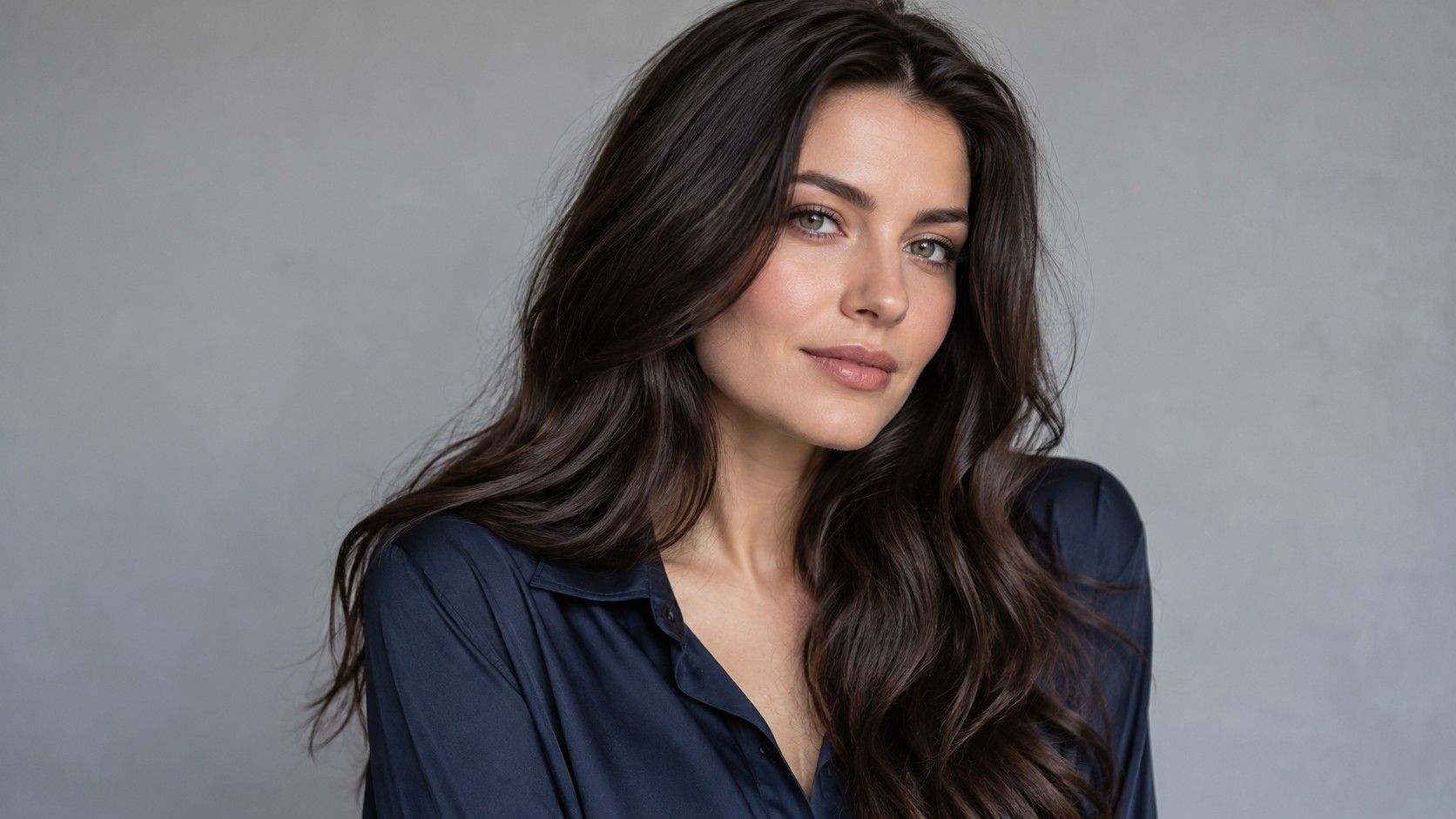
A very dark brown can make the face appear lighter through contrast. That may be exactly the look you want. It can also make brows seem less defined by comparison, especially in a heavily edited preview. Check whether you still like the image with your usual makeup, and whether the filter has altered lashes or brows without being asked.
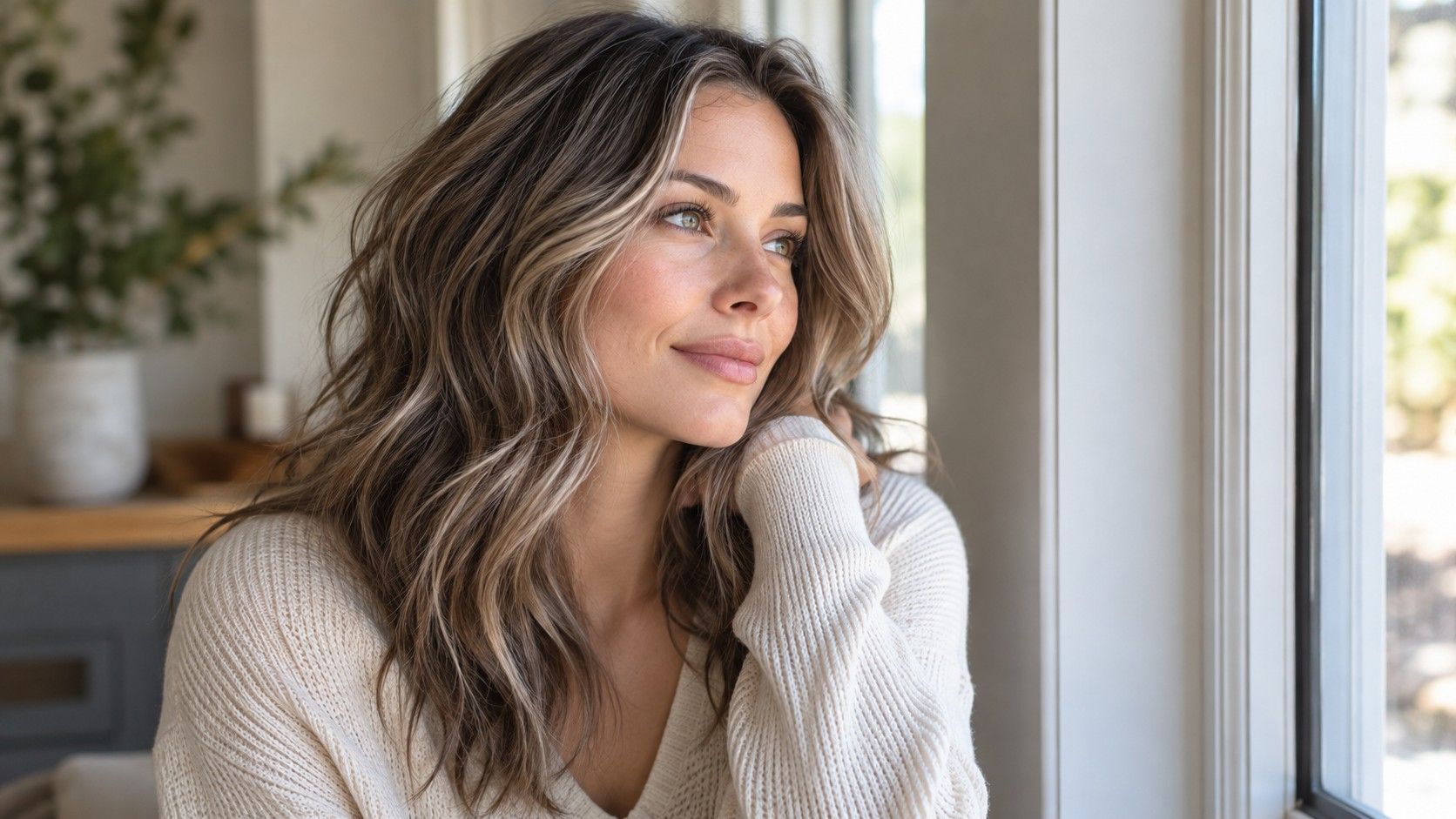
For a softer result, test light brown and dark blonde before jumping to a very pale blonde. These middle depths can reduce the gap between hair and skin while leaving enough definition at the face. They also help establish whether you enjoy less contrast at all, separate from the practical work of lightening your hair.
Use photographs with a comparable hairstyle. A dark bob creates a different frame from the same shade in long hair pushed behind the shoulders. If a preview changes the cut, volume or fringe along with color, it is answering several questions at once. Keep those variables steady for the first comparison.
Compare blonde with light brown before going lighter
Blonde is a family of shades, not one safe answer for pale skin. A beige dark blonde can look quiet and natural; an icy pale blonde can create a deliberate, more conspicuous effect. Honey and wheat shades add different amounts of warmth. Choose examples that show those distinctions clearly rather than collecting every image labeled blonde.
Place a light brown next to the blonde preview. If the light brown gives the face the definition you like, there may be no reason to go much lighter. If blonde wins, check whether a slightly deeper root improves it further. Root depth can change the look around the forehead without changing all the lengths.
Warm hair colours for pale skin deserve the same careful test as cool ones. Compare a muted golden blonde with a stronger honey shade and watch the jaw and neck. If the brighter gold appears too yellow, a lower-saturation version may still work. A disappointing extreme does not rule out the whole warm family.
A photo cannot tell you how your existing color will lighten. Bring the original photograph as well as the blonde preview to a consultation, and explain which part of the result you want. Ask about the likely stages, visible warmth during the process and upkeep before treating the preview as a realistic one-appointment target.
| What you want | Useful pair to compare | Check in the photograph |
|---|---|---|
| A softer frame | Dark blonde and light brown at similar warmth | Whether brows and eyes still have the definition you prefer |
| A stronger outline | Dark brown and black with identical exposure | Whether you like the contrast on an ordinary day without extra makeup |
| More warmth | Muted auburn and brighter copper at similar depth | Whether you prefer the red direction or simply the brighter lighting |
| Blonde without an abrupt change | Beige blonde with and without a deeper root | How the hairline connects to your brows and face |
Give copper and dark brown a fair daylight test
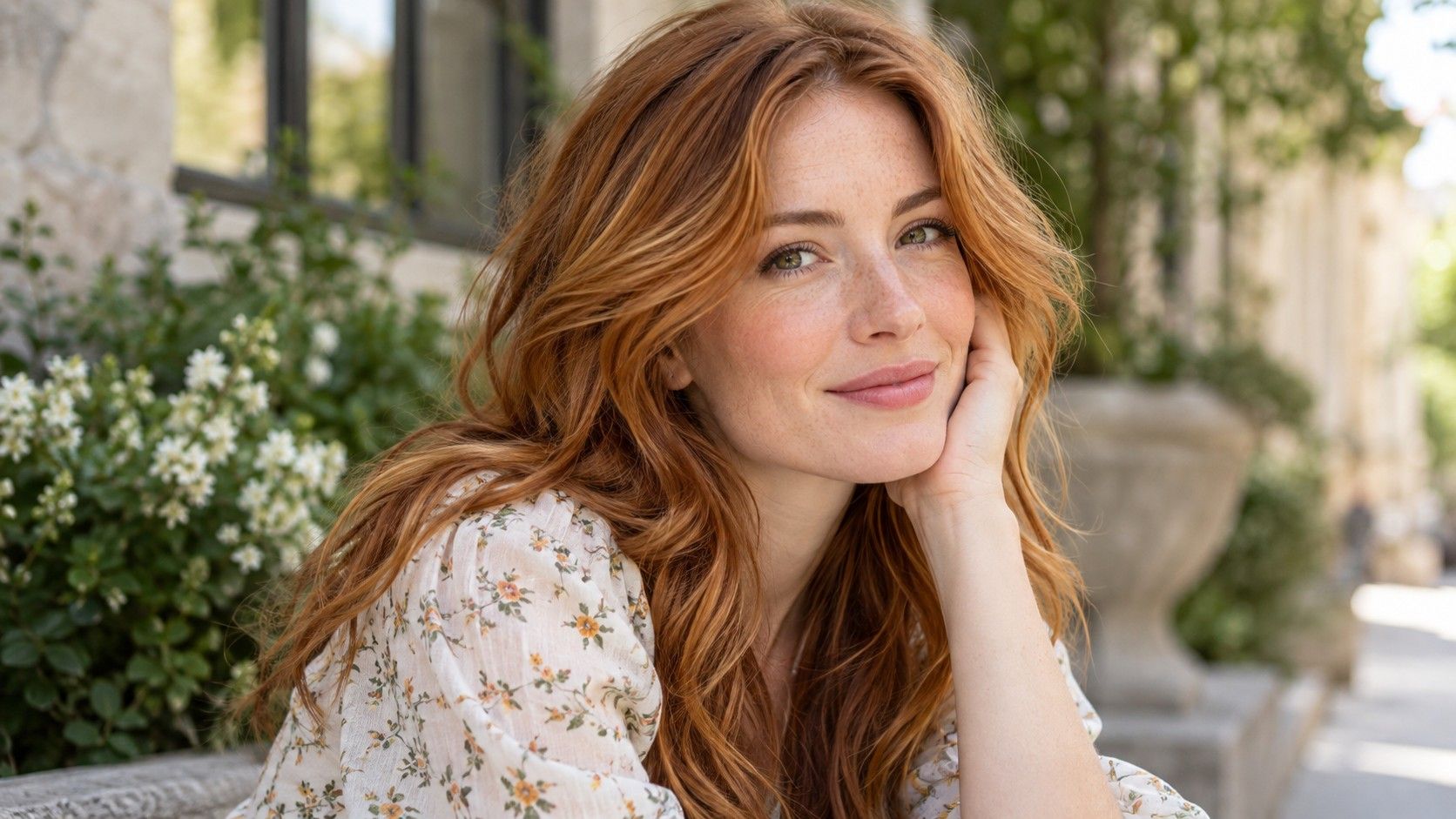
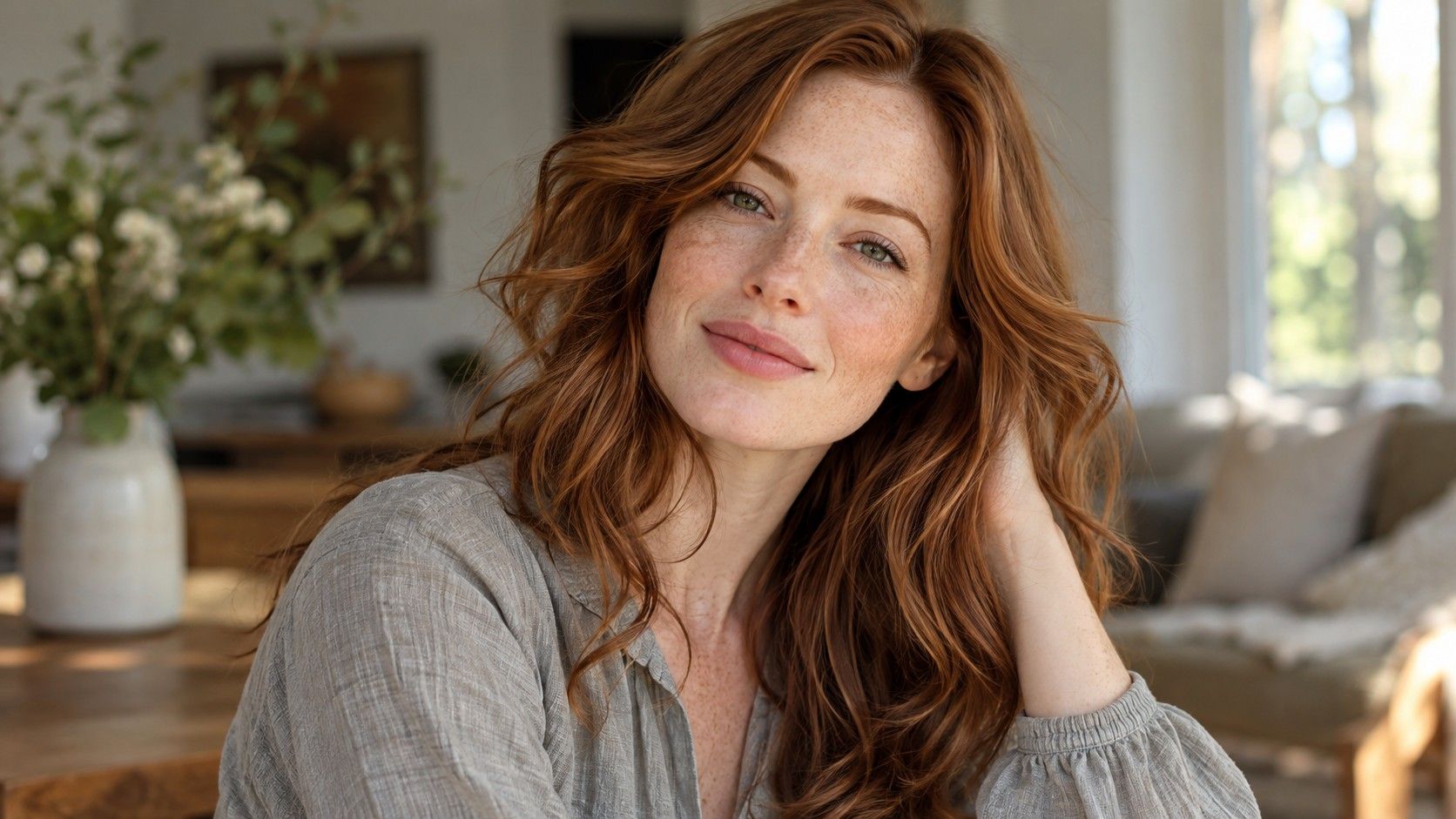
Copper can look beautiful beside light skin, but copper brown and vivid orange are very different proposals. Start by comparing a subdued auburn, a medium copper and a neutral brown. This makes it easier to see whether you like the red direction or are mainly attracted to a warmer, brighter photograph.
If your cheeks are naturally pink, avoid assuming that red hair must either cancel or exaggerate that color. Look at an actual preview. A muted auburn might give a balanced frame, while a bright copper might draw attention away from the face. These are aesthetic responses that depend on saturation, depth and your preferences.
When considering dark brown, compare it with black at the same camera settings. The darkest shade can look almost identical in a tiny phone thumbnail but feel much stronger in a larger portrait. Examine the edge around the forehead and ears. A softer brown may preserve the definition you want without such an abrupt border.
Fall hair colors for pale skin often mean chestnut, cinnamon or auburn in inspiration collections. The season does not change your underlying features. Use those photographs for the specific warmth or placement you like, and check them against your face in neutral light instead of assuming an autumn trend will suit everyone with light skin.
Choose a result that still works on an ordinary morning
Repeat your two or three favorite hair colors for pale skin with a plain top and your usual makeup. Then look at the image in color and at a smaller size. The small view can reveal whether all you notice is the hair. A monochrome copy can help compare depth, although it cannot judge whether a warm or cool tone looks better.
Take a second photograph in a different neutral daylight setting. If one shade only works in the brightest image, check exposure and face retouching before deciding. A preview that makes your complexion smoother each time it adds blonde may make the blonde appear more convincing than the color itself deserves.
Consider regrowth from your actual roots. Dark color over lighter natural hair can create a noticeably light root line; blonde over darker roots creates the opposite contrast. Placement, gray hair and previous dye can complicate either plan. Discuss the transition you would be comfortable seeing between appointments, not just the day-one result.
Keep a short note with each finalist: “soft frame,” “too golden around the face,” or “dark enough, but not black.” These descriptions are useful even when two salons use different shade names. The final decision should connect the look you want with your starting hair and realistic care, rather than asking a skin-depth label to make the choice for you.